Pulau Ubin from Singapore
Ten minutes off Singapore’s engineered shore, an island declined the century: dirt tracks, a working kampong, and wetlands that run on tide tables. The boat leaves when twelve people want it to.
The short version
- Bumboats run from Changi Point Ferry Terminal on the quorum system — twelve aboard and the diesel starts; the crossing takes ten minutes and the fare takes cash, both directions.
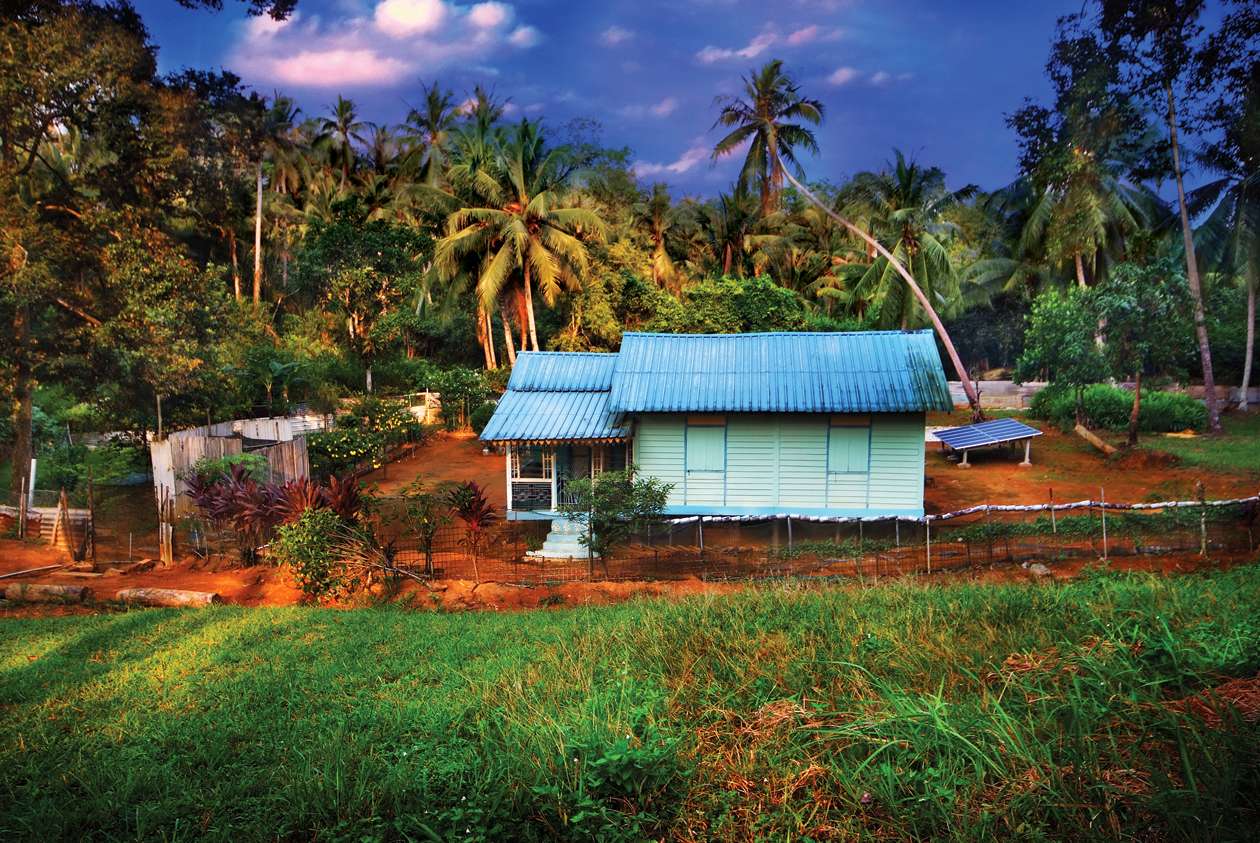
- Pulau Ubin holds Singapore’s last kampong — a village of tin roofs, provision shops, and bicycle-rental sheds where the mainland’s decades simply didn’t happen; island guidance at nparks.gov.sg.
- Bikes are the island’s transport: rented cheap by the day at the village sheds, graded honestly (the gearless specials suit the flat loops; the trails want the better stock), and returned before the last light.
- Chek Jawa Wetlands, the island’s east-end treasure, layers six ecosystems at one cape — the coastal boardwalk, the mangrove loop, and the Jejawi viewing tower — with the sea-grass flats performing only at low tide, hence the alarm’s tide-table rule.
- Wild boars and long-tailed macaques patrol with proprietary confidence — feeding is banned and enforced, distance is the etiquette, and zipped bags are the policy your snacks vote for.
- Granite quarries — the island’s old industry — sit as jungle-ringed lakes along the trails; German Girl Shrine and the kampong houses fill in the island’s layered, oddball history.

Getting there
Reach Changi Point by bus or ride to the ferry terminal’s modest hall, join the cluster by the gate, and board when the boatman waves twelve through — solo travelers at quiet hours can pay out the empty seats or wait for reinforcements. The crossing’s ten minutes reset the century. On the island, the jetty delivers you straight into the village: bikes to the left, drinks to the right, and the island’s whole map on one board. The last boats run to daylight and demand rather than timetable — return with margin, per the island’s one real rule.
The day
Bike east first for the tide window if Chek Jawa’s low tide falls in your morning — the boardwalk over the flats shows the sea grass, the carpet anemones, and the fiddler-crab economy only when the water withdraws, and the Jejawi tower adds the canopy view above the mangroves. Loop back through the quarry lakes — Pekan Quarry’s viewing deck for the herons — and take the village for a kopi and a slow lunch at the seafood-and-Milo institutions by the jetty. The western trails and Ketam’s mountain-bike loops serve the energetic afternoon; the German Girl Shrine and the last mangrove boardwalks serve the curious one. Boars will inspect your parked bike’s basket; the zipped-bag policy already answered them.
When to go
The island runs year-round on equatorial constants — morning starts beat the heat in every month, and the northeast monsoon’s showers (roughly December–early March) pass through rather than settle. The real calendar is the tide table: Chek Jawa’s flats want a low tide in daylight hours, which NParks’ listings and the alarm’s rule turn into your departure time. Weekends bring mainland cyclists in cheerful volume; weekdays return the island to its residents, the boars, and you.
Frequently Asked Questions
Is Pulau Ubin really worth it against Singapore’s polished attractions?
It’s the counterweight to all of them — the version of the island the mainland modernized away, kept alive at bicycle speed. For a traveler with three Singapore days, it’s the one that doesn’t look like the brochure.
How does the tide thing actually work?
Chek Jawa’s flats submerge at high tide, taking the visible ecology with them — check a Singapore tide table and aim for a low under about 1.5 meters during your visit hours. The mangrove boardwalk and tower work regardless; the flats are the tide’s show.
Are the boars dangerous?
Habituated, not tame: they ignore respectful distance and investigate food aggressively — which is the entire case for the no-feeding rule and zipped bags. Incidents track snacks, not malice.
Can I walk instead of cycle?
Chek Jawa sits about 40 minutes’ walk from the jetty and the island repays walkers with patience — but the bike unlocks the full loop economy for pocket change. Vans also shuttle to Chek Jawa’s gate for the wheel-averse.
What should I bring?
Cash, water, sun and rain cover in the same bag, and insect repellent for the mangrove hours. The village sells drinks and simple meals; the island sells nothing else, which is the point.